


Thyroid eye disease specialist in Malaysia: where do I go?
Thyroid eye disease is looked after by two doctors working together, one for the thyroid and one for the eyes. This is who does what, how the referral works and what should send you in the same day.
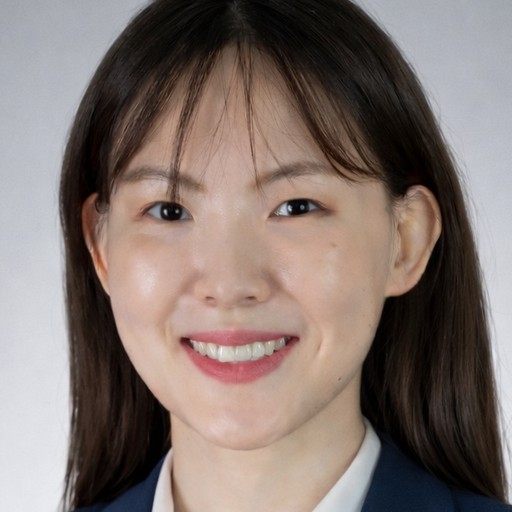 Dr Catherine ChowConsultant Ophthalmologist and Oculoplastic Surgeon
Consultant Ophthalmologist and Oculoplastic Surgeon · MMC 66025 · NSR 143681 · Consultations from early 2027
- Thyroid eye disease is usually managed by an endocrinologist for the thyroid and an eye surgeon with oculoplastic or orbital training for the eyes, working together.
- The Malaysian thyroid guideline says all cases except mild disease, and any doubtful diagnosis, should be referred to specialised care.
- The first visit goes better with thyroid results, earlier photographs, symptom dates and smoking history, and smoking raises the risk 2.75 times in a Malaysian study.
- Radioactive iodine carries a small but definite risk of worsening the eyes, so the eye doctor should know before it is planned.
- Unexplained loss of vision, a change in colour vision or an eye that cannot close needs same-day assessment, because sight-threatening disease is an emergency.
Thyroid eye disease is usually managed by two doctors working together: an endocrinologist for the thyroid and an eye surgeon with oculoplastic or orbital training for the eyes. Dr Catherine Chow, oculoplastic surgeon, sets out who does what, where in Malaysia to look in general terms, what to bring to the first visit and when to go the same day. Dr Catherine Chow begins consulting at Eagle Eye Centre Malaysia, Petaling Jaya, from early 2027.
Thyroid eye disease specialist in Malaysia: where do I go?
Go first to the doctor who looks after your thyroid, and ask for a referral to an ophthalmology department that treats thyroid eye disease. Thyroid eye disease, also called Graves' orbitopathy or Graves' ophthalmopathy, is swelling and scarring of the tissues around the eye that most often goes with an overactive thyroid. It is looked after by the thyroid doctor and the eye doctor together.
The Malaysian clinical practice guideline on thyroid disorders, from the Malaysian Endocrine and Metabolic Society and the Ministry of Health's health technology assessment section, says that all cases except mild disease should be referred to specialised care, and so should any case where the diagnosis is doubtful. The European EUGOGO guideline goes further and calls early referral to specialised centres that combine endocrine and ophthalmic expertise fundamental for most people, because it gives an accurate and timely diagnosis. Even mild disease can progress, which is why the guidance leans towards seeing someone early and not waiting to see what happens.
Which doctors treat thyroid eye disease, and what does each one do?
Each does a different job, and the eye does best when they share information. The usual team looks like this.
- The endocrinologist: a doctor for glands and hormones. This doctor treats the thyroid itself and tries to restore normal thyroid levels as soon as possible, because the Malaysian guideline notes that low thyroid levels are best avoided in people with eye disease.
- The ophthalmologist: an eye doctor who measures how active and how severe the disease is, checks vision, colour vision, eye movement and the surface of the eye, and treats dryness.
- The oculoplastic or orbital surgeon: an ophthalmologist trained in surgery of the eyelids, tear ducts and eye socket. This is the doctor for eyelid retraction, for orbital decompression and for eyelid surgery once the disease has settled. EUGOGO lists decompression, squint surgery and eyelid surgery as the rehabilitative operations for the inactive phase.
- Other specialists: an ear, nose and throat or neurosurgical colleague may join for decompression in some units, and a squint specialist may deal with double vision.
Treatment for the active phase, such as steroids or the newer infusions, is a decision for the eye and thyroid doctors together. What to ask about the newer infusion treatments and what orbital decompression does cover those two topics.
Where in Malaysia is thyroid eye disease treated?
In general terms, it is treated in the ophthalmology departments of public university hospitals and Ministry of Health hospitals, and in the eye centres of private hospitals. I do not name hospitals here, because the services a department offers change, and a name on a page is no substitute for a phone call.
The question to ask is practical: does an endocrinologist and an eye surgeon review thyroid eye patients together, or will the referral be to one and then onward to the other? No national list of combined thyroid-eye clinics is cited here, so ask the department directly. The size of the need is not small. In a study of 167 consecutive Malaysian patients with Graves' disease at two endocrine clinics, 34.7 per cent had thyroid eye disease by American Academy of Ophthalmology criteria, and smokers had 2.75 times the risk. The local findings are set out in thyroid eye disease in Malaysian and Southeast Asian patients.
How does the referral route work?
It usually starts with a letter or a call from the doctor who already knows your thyroid history, either an endocrinologist or a general practitioner, to an ophthalmology department. If you have noticed the eye changes first, a visit to a general practitioner is a reasonable first step, as long as the next step is a referral to an ophthalmologist.
Once there, expect the visit to check for signs of activity, such as redness and swelling, and for signs of severity, such as how far the eyes bulge, how they move, whether the eyes close fully and how well the optic nerve is working. The 2019 Malaysian guideline asks for activity and severity to be graded with standardised criteria. Before any operation, confirm that the surgeon is a registered specialist, using the two-step check in how to check an eye surgeon is registered in Malaysia. A second opinion before eyelid or orbital surgery is reasonable, because the timing of surgery matters in this disease.
The two specialists need to speak to each other about timing. The Malaysian guideline notes that antithyroid drugs and thyroid surgery do not appear to change the natural course of the eye disease, while radioactive iodine carries a small but definite risk of worsening it or of starting it, especially in smokers, in severe hyperthyroidism and in recent-onset hyperthyroidism. So tell the eye doctor before radioactive iodine is planned, and tell the endocrinologist about any eye symptom, however minor it seems.
What should I bring to the first visit?
Bring what lets the doctor see the course of the disease. The list is short.
- Your thyroid blood results, the name and dose of your thyroid medicine, and the dates of any radioactive iodine treatment.
- Photographs from earlier years, with your face clearly visible, to show how the eyes and lids have changed.
- A note of when each symptom began: grittiness, watering, double vision, pressure behind the eyes, lid changes.
- Your smoking history, and that of anyone who smokes at home. The Malaysian guideline urges all patients with Graves' disease to quit smoking, and the National Eye Institute says smoking raises the risk.
- Your current glasses, eye drops and any scan reports.
It also helps to bring someone with you. The first visit covers a lot, and the topic of double vision is explained in double vision that is not a squint.
When should I go the same day?
Go the same day for any change in vision that cannot be explained, any change in how colours look, or an eye that cannot close. These are the signs of sight-threatening disease, and EUGOGO describes sight-threatening disease as an emergency that is treated immediately. The Malaysian guideline lists unexplained deterioration of vision, a change in the quality or intensity of colour vision in one or both eyes, globe subluxation, corneal opacity, significant lagophthalmos (an eye that does not close fully) and swelling of the optic disc as reasons for urgent referral.
The two causes behind this are pressure on the optic nerve, called dysthyroid optic neuropathy, and an exposed cornea. Thyroid eye disease and the eyes that will not close properly explains the second. Do not wait for the next routine appointment. Go to an emergency department or an eye department the same day, and say that you have thyroid eye disease. The wider picture of the condition is in the signs and treatment of thyroid eye disease, and the related conditions of the eye socket are gathered in the orbit and thyroid section. For how the eyes can look different in everyday life, see what makes eyes look tired.
- Your vision has dropped or blurred and nothing explains it.
- Colours look duller or different in one or both eyes.
- An eye cannot close fully, or the surface looks cloudy or painful.
- An eye is being pushed forward, or the vision is changing along with pressure behind the eye.
Questions patients ask
Thyroid eye disease is usually managed by an endocrinologist for the thyroid and an ophthalmologist, often one with oculoplastic or orbital training, for the eyes. Start with your thyroid doctor or a general practitioner and ask for a referral to an ophthalmology department.
Not always at first. An ophthalmologist assesses activity and severity and treats the surface of the eye. An oculoplastic or orbital surgeon is the doctor for eyelid retraction, orbital decompression and eyelid surgery once the disease has settled.
In general terms, in the ophthalmology departments of public university hospitals and Ministry of Health hospitals, and in the eye centres of private hospitals. Ask the department directly whether an endocrinologist and an eye surgeon review patients together.
In practice a referral from your endocrinologist or general practitioner is the usual route, and the Malaysian guideline says all cases except mild disease should be referred. A letter that summarises your thyroid history saves time.
Your thyroid blood results and medicines, any radioactive iodine dates, photographs from earlier years, a note of when each symptom started, your smoking history, your glasses and drops, and any scan reports. Bring someone with you if you can.
When vision falls without explanation, when colour vision changes, when an eye cannot close or when the cornea looks cloudy. The Malaysian guideline lists these as reasons for urgent referral, and EUGOGO describes sight-threatening disease as an emergency treated immediately.
Yes. In a study of 167 Malaysian patients with Graves' disease, smokers had 2.75 times the risk of thyroid eye disease. The Malaysian guideline urges all patients with Graves' disease to quit smoking.
That is a decision for your endocrinologist and eye doctor together. The Malaysian guideline notes that radioactive iodine carries a small but definite risk of worsening or starting the eye disease, especially in smokers, so tell the eye doctor before it is planned.
Sources
- EUGOGO 2021 guidelines for the medical management of Graves' orbitopathy (BOPSS)
- MEMS and MaHTAS: Clinical practice guideline, Management of Thyroid Disorders (2019), section 9 Graves' ophthalmopathy
- Lim SL et al: Prevalence, risk factors, and clinical features of thyroid-associated ophthalmopathy in multiethnic Malaysian patients with Graves' disease (Thyroid, 2008)
- National Eye Institute: Graves' eye disease
General information written by a consultant oculoplastic surgeon. It does not replace an examination. If you are worried about your eyes or eyelids, please see an eye doctor. Written and reviewed by Dr Catherine Chow, Consultant Ophthalmologist and Oculoplastic Surgeon, MMC 66025 · NSR 143681.

Bulging eyes, gritty vision, puffy lids: could it be thyroid eye disease?
People are often told their eyes look angry, or startled, or simply not like their own, and that it is tiredness. Often it is their thyroid, and the eyes were the first thing to say so.
Read the article


Bulging eyes, gritty vision, puffy lids: could it be thyroid eye disease?

Thyroid eye disease in Malaysian and Southeast Asian patients: what the local studies show about smoking, lower eyelid retraction and how it looks

How to check an eyelid or eye surgeon is registered in Malaysia (MMC and NSR)
Bring the midnight questions.
Researching quietly is smart. When you're ready to ask out loud, Dr Catherine Chow will consult at Eagle Eye Centre Malaysia, Petaling Jaya, from early 2027.